


Pillow Talk: The Benefits of Using a Pillow (Or Few) for Pain Relief
Posted:
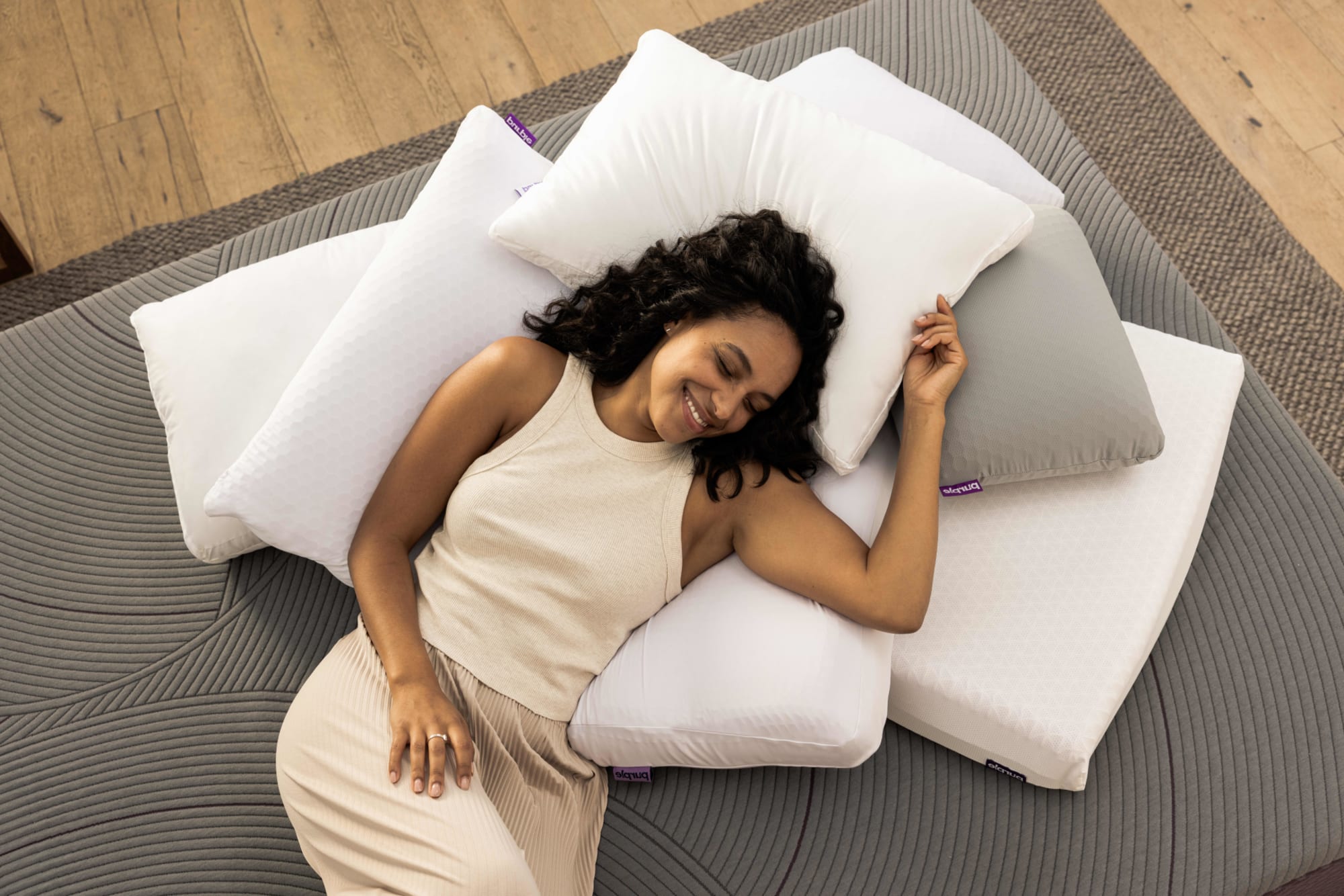
Did you know that you can utilize pillows to alleviate body pains?
Yes, it’s true. Sleep is one of the best remedies, and we can elevate that experience just by picking the best pillows! From the moment our heads hit it (or we fantasize about the sweet release of doing so), the pillow is associated with comfort, relaxation, and even solace from our hectic daily lives.
So whether you suffer from neck pain, lower back and hip pain, or even acid reflux, the right pillow can become a versatile tool to soothe discomfort and improve your quality of life.
Things To Consider About Pillows
What factors should you consider when picking a pillow (or multiple pillows) for pain relief?
- Sleep position: Side sleepers often need a thicker, firmer pillow to fill the gap between the head and mattress; back sleepers may benefit from a medium height that supports the natural neck curve.
- Pillow loft and firmness: Too soft a pillow may fail to maintain support; too firm or tall may hyperextend the neck, both of which may contribute to pain.
- Material and durability: High-quality fill materials (memory foam, latex, or performance fiber) retain their shape and provide consistent support over time.
- Multiple-pillow setups: Sometimes using one primary pillow plus an extra smaller or thinner pillow can help fine-tune comfort — for example- one under the head and one under the knees or side to reduce strain.
- Replacement and condition: Pillows that are lumpy, flat, or compressed no longer support well and may contribute to discomfort rather than alleviating it.

Neck Pain
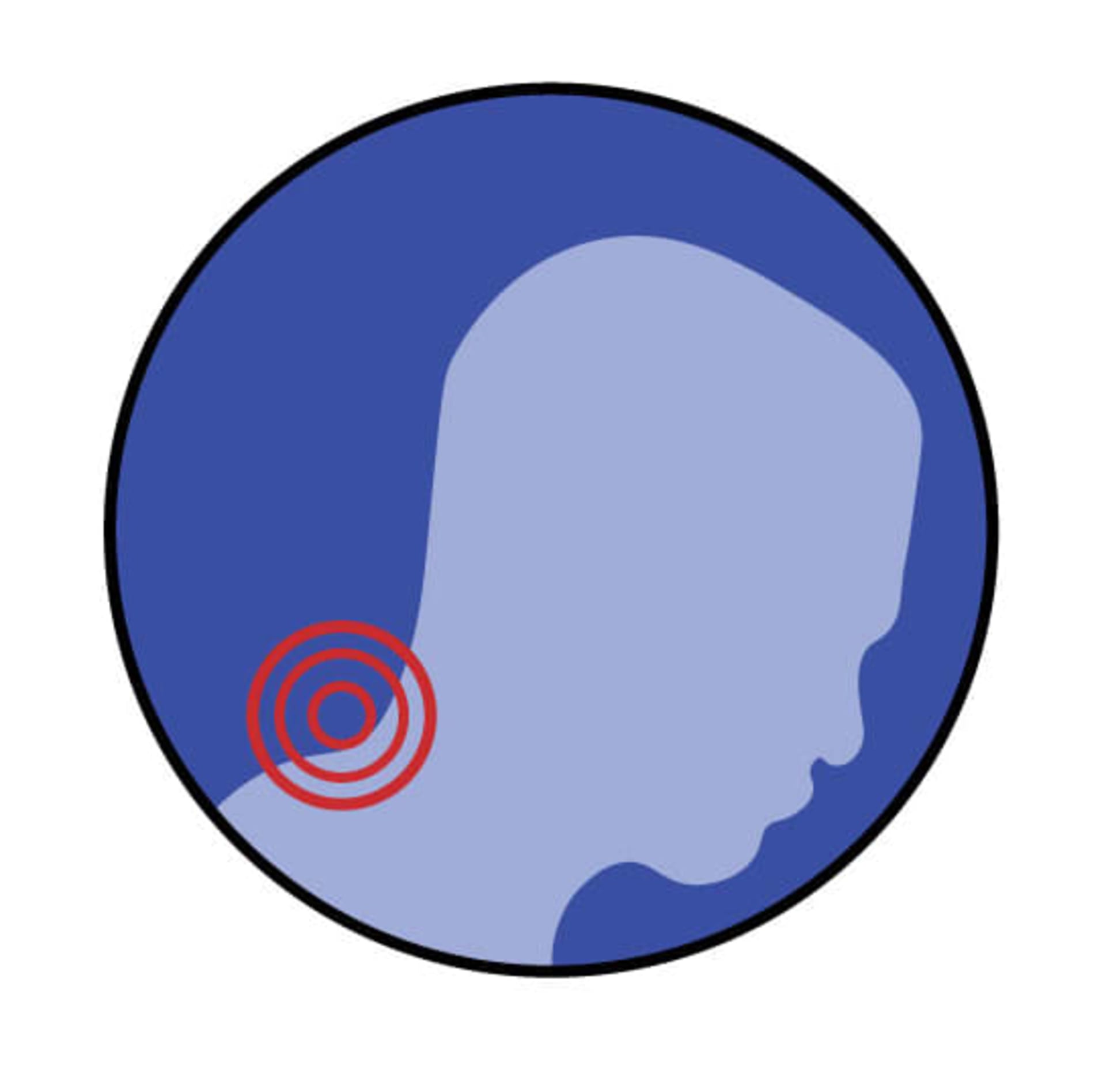
If you have neck pain, then chances are you struggle to experience relief without constantly adjusting or compensating for your pain. A great way to mitigate everyday stress is to use pillows to optimize recovery!
What are the best pillows for neck pain?
- For neck pain, opt for pillows made of memory foam or latex –their dense plushness holds your head up without letting it sink too deep!
How to place them:
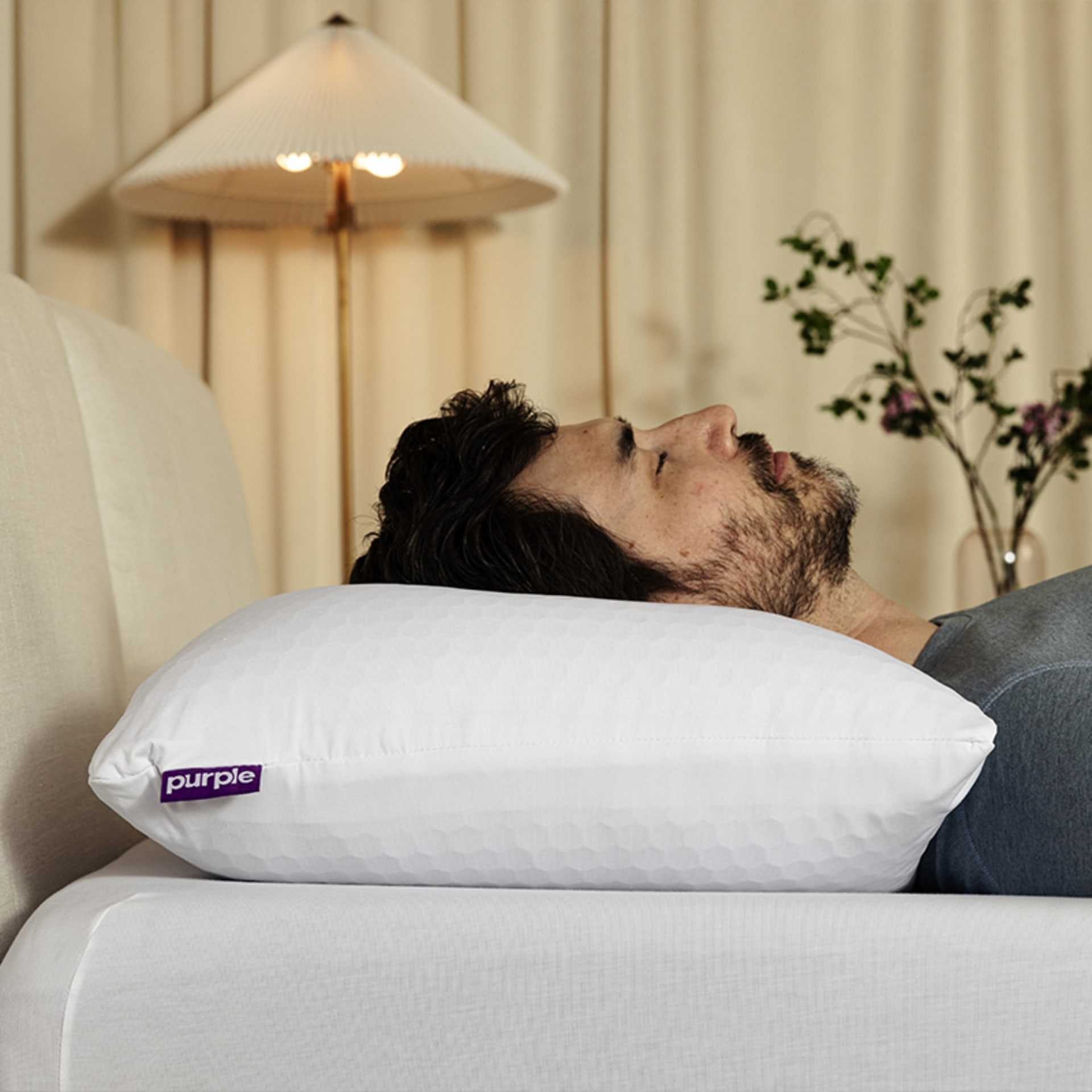
- Back Sleepers: Position the pillow so the thicker, curved part tucks right into the space underneath your neck, supporting its natural curve.
- Side Sleepers: Ensure your pillow is high enough to fill the gap between your ear and the mattress, keeping your spine in a straight, neutral line.
Shoulder Pain
Shoulder pain can come from anywhere—rotator cuff issues, poor posture, or just sleeping funny. Ouch! To minimize that nagging ache, you need to take the pressure off the joint and keep surrounding muscles relaxed.
What are the best pillows for shoulder pain?
- For shoulder pain, we recommend medium-loft pillows or adjustable pillows.
How to place them:
- Side Sleepers: This is a game-changer! Hug a pillow against your chest with both arms (painful shoulder up). This keeps your top shoulder from slumping forward and twisting your spine.
- Back Sleepers: Tuck a small pillow or rolled-up towel underneath your affected arm/elbow to elevate it slightly and relieve joint strain.
Upper Back Pain

Upper back pain often stems from hunching or spinal misalignment. If you find yourself curling into a ball to sleep, your posture might be the culprit. Let's open things up!
What are the best pillows for upper back pain?
- Wedge pillows are your best friend here. If that’s not your style, high profile pillows work wonders!
How to place them:
- The Wedge: Place the wedge against your headboard and sleep on the incline. This elevates your upper body, reducing pressure on the thoracic spine and improving circulation.
- The High Profile: Back sleepers can use high profile pillows like wedge pillows. If you’re a side sleeper, be sure to use a thicker pillow under your head to ensure your neck and upper back stay aligned, preventing that dreaded "hunched" feeling.

Lower Back Pain

Ah, lower back pain—the "crème de la crème" of body aches. Since your lower back supports so much of your core stability, keeping it happy is priority #1.
What are the best pillows for upper back pain?
- For lower back pain, opt for supportive memory foam pillows or standard bed pillows.
How to place them:
- Back Sleepers: Place a pillow directly under your knees. This simple trick flattens your lower spine against the mattress, instantly relieving pressure.
- Side Sleepers: Tuck a pillow between your knees. This keeps your hips square and prevents your top leg from dragging your spine out of alignment.
Knee Pain

Knee pain relief isn't just about what shoes you wear; it’s about how you rest! Stationary care is pivotal for recovery.
What are the best pillows for upper back pain?
- For knee pain, try adjustable pillows or boosters between the knees..
How to place them:
- Back Sleepers: Just like with lower back pain, slide that pillow under your knees. Elevating the joint reduces swelling and gravity-induced pressure.
- Side Sleepers: Place a pillow between your knees to act as a buffer. This prevents your knees from knocking together and keeps the hip-to-knee alignment straight.
Hip Pain

Hip pain can wreak havoc on your whole body. The secret to relief? It’s all about spacing.
What are the best pillows for hip pain?
- For hip pain, it's best to go with body pillows or firm standard pillows.
How to place them:
- Side Sleepers: This is the golden rule—sleep with a pillow between your knees. This prevents your top hip from collapsing inward, relieving the strain on your hip bursa and joints.
- Sitting: Try a seat cushion to keep your hips aligned while you work.

Acid Reflux

When things go gurgling in the night, don't panic—grab a pillow! Gravity is your best defense against acid reflux.
What are the best pillows for acid reflux?
- For acid reflux, wedge pillows are the MVPs here. No wedge? Stack two bed pillows securely to create a similar incline.
How to place them:
- Placement: Prop your upper body up on the wedge so your head and chest are elevated above your stomach. This physical slope prevents stomach acid from flowing back up into your esophagus.
- This position can also help reduce snoring and improve sleep quality.
Headaches

Waking up with headaches? They might actually be "neck-aches" in disguise. Tension in the neck muscles is a massive trigger for headaches.
What are the best pillows for headaches?
- For headaches, we recommend cervical pillows or supportive contour pillows.
How to place them:
- Back Sleepers: Use a pillow that supports the curve of your neck but keeps your head level with the mattress—don't let your head tilt too far forward or backward.
- Side Sleepers: Ensure the pillow fills the shoulder gap so your head doesn't tilt down.
- Bonus Tip: If you hold tension in your shoulders, hug a pillow in front of you to prevent those muscles from pulling on your neck while you dream.


Ready To Find Your Perfect Pillow?
Don’t be afraid to get a little pillow crazy! While there’s a prominent focus on bed pillows and pillows for the seated position, that doesn’t have to be the end of your pillow journey. Even adjusting your couch pillows can encourage better and more regular care for your chronic pain! You can even get pillows for your car seat, desk seat, and more.
Pillows are a versatile tool for pain relief, and it's worth experimenting with different positions and types of pillows to find what works best for your specific needs. However, it's important to consult with a healthcare professional if you have persistent or severe pain, as pillows may not be a sufficient solution.
Once you find your perfect pain-relieving pillows, you’ll transform into a pain-free pillow purveyor!